
The Association for the study of
Modern Italy

Welcome to The Association for the Study of Modern Italy Website

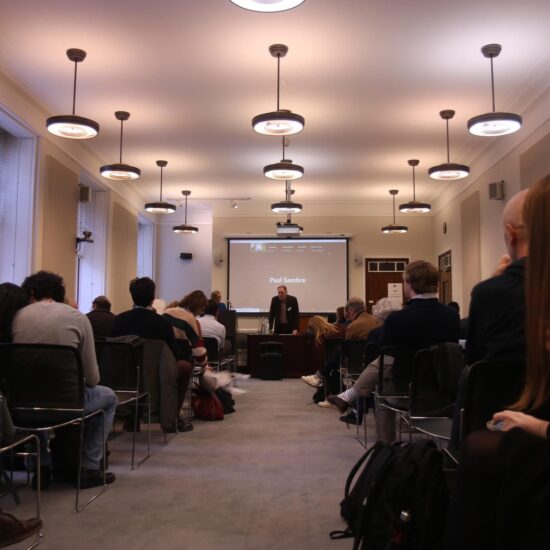
Founded in 1982 by Christopher Seton-Watson, the Association for the Study of Modern Italy (ASMI) brings together individuals and organisations from the UK and abroad with teaching, research, professional or general interests in Italy from the eighteenth to the twenty first century from whatever discipline.

Latest News and Announcements

The Christopher Seton-Watson Memorial Prize

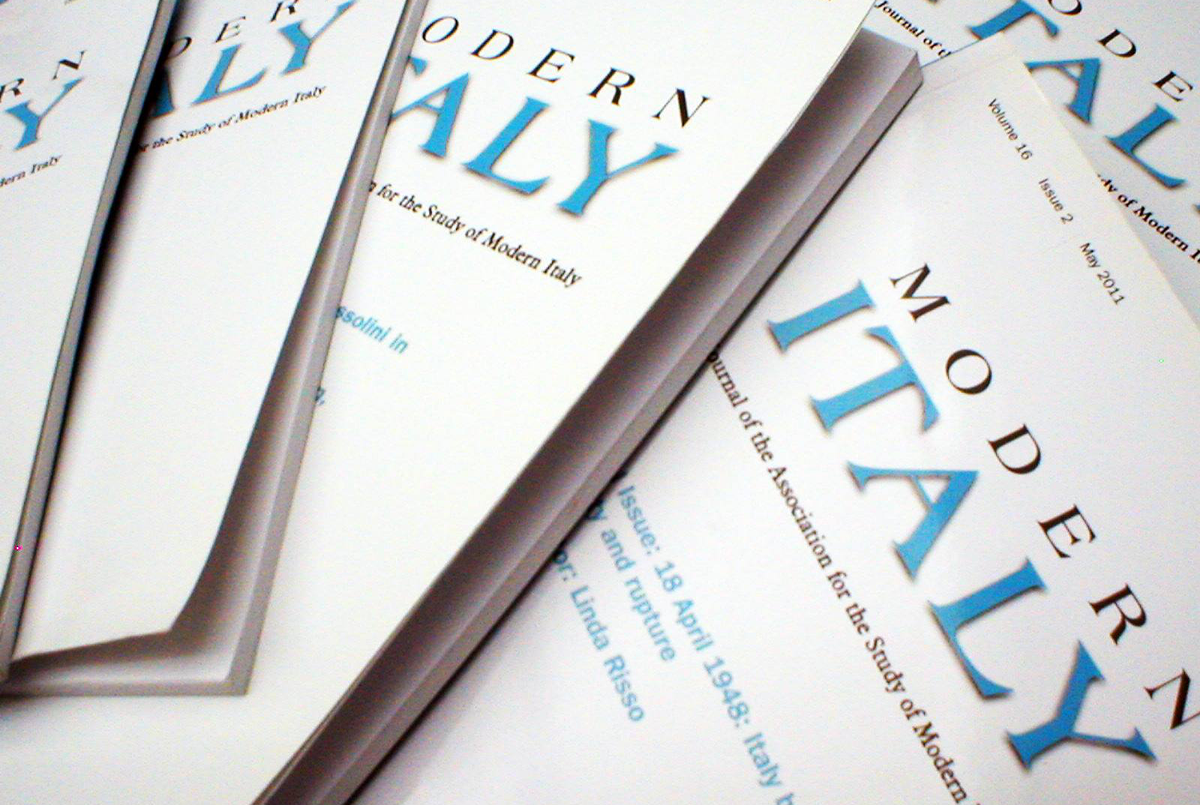
In memory of the Founder of the Association for the Study of Modern Italy (ASMI) and distinguished historian Christopher Seton-Watson, the Association's journal, Modern Italy, is offering a prize of 500 Euros each year for the best article published in the journal during the calendar year.
Read More

Christopher Seton-Watson, 1918-2007

Christopher Seton-Watson, who died on 8 September 2007, was the founder of ASMI.

He went up to Oxford in 1937 and, like many other undergraduates, was called up when the Second World War broke out. He served in the British Army (Royal Artillery) in North Africa and then fought his way up the Italian peninsula from 1943 onwards.

When he returned to Oxford, he became a fellow of Oriel College, where he started his studies of post-Risorgimento Italian history. The result, his authoritative Italy from Liberalism to Fascism, was published by Weidenfeld & Nicolson in 1967. It has been basic, and good, reading for generations of undergraduates and the translation is still on sale on Italian bookshops. He also contributed articles to a number of British and Italian journals. Christopher supervised a generation of PhD students who would later become historians and political scientists of Italy.

In 1982 he founded ASMI, because, as he said, 'We only seem to meet in the bookshops in Rome', and he served as its first Chair from 1982 until 1987. He regularly attended the annual conference and AGM until a couple of years ago when he had increasing difficulties with hearing and walking. The Association, and Italian studies in the UK more generally, owe a considerable debt to Christopher.

John Pollard